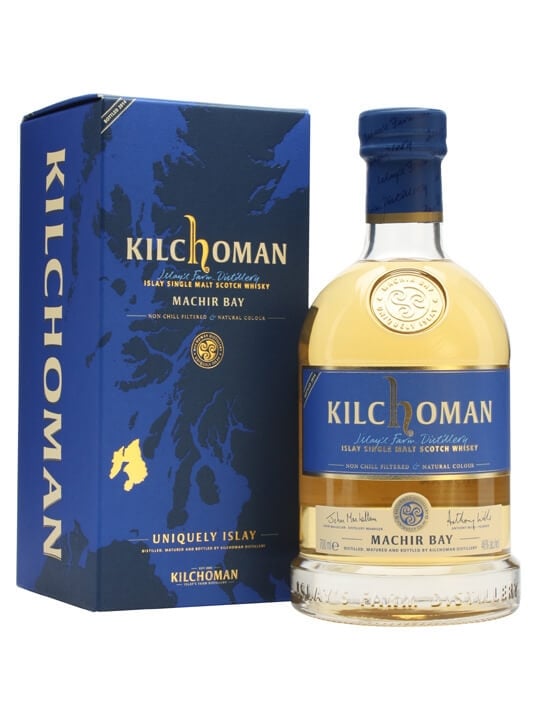
Kilchoman Machir Bay 2014

Distillery: Kilchoman
Bottled: 2014
ABV: 46%
Cask: Bourbon / Oloroso
More Info: WhiskyBase

Here’s the second dram from the Manchester Whisky Club’s tasting with Kilchoman, the Machir Bay 2014.

Nose: Wafts of citrus, with sea breeze and sweet barley. Rock dust and linen.

Palate: Sweet vanilla and lemon candy, dry peat, barley sugar and a little mint.

Finish: Gentle oak with a tingle of peat. Drying.

Unlike the 100% Islay, this bottling is made with barley from Diageo’s Port Ellen maltings, produced at a similar spec to Ardbeg. 90% of the whisky is matured in Bourbon, and 10% in Oloroso, which are then vatted together and bottled at 46% ABV.

This is the cornerstone of Kilchoman’s core range, named after the sweeping sandy bay that the distillery overlooks on the West of Islay. I really recommend tasting it for that lovely earthy peat smoke that runs through the palate. It’s like you’ve been eating Islay soil, but in a good way.

Originally posted on Manchester Whisky Club.

Kilchoman 100% Islay 4th Edition

Distillery: Kilchoman
Bottled: 2014, Distilled: 2010
ABV: 50%
Cask: 1st Fill Bourbon
More Info: WhiskyBase

Here’s the first dram from the Manchester Whisky Club’s tasting with Kilchoman, the 100% Islay.

Nose: Sweet vanilla, spring blossoms, wax crayons. Earthy, like the smell you get with fresh soil while gardening. Slightly nutty.

Palate: Sweet grassy barley, lots of vanilla with salty earth and dry vegetal peat.

Finish: A little waxy with smoky ashes.

The barley for Kilchoman’s 100% Islay is grown, malted, smoked, mashed, distilled, matured, and bottled all at Rockside farm where the distillery is based. They grow 100 tons of optic barley per year just for this annual release.

Bottled at 50% and matured exclusively in 1st fill Buffalo Trace bourbon, this one’s a light and floral introduction to the core range with a lighter peating level than the other regular releases.

I’m a really big fan of this – the nose is very fresh and delicate and there’s just something deeply earthy and wholesome about the whole thing.

Originally posted on Manchester Whisky Club.

Bowmore Laimrig

Distillery: Bowmore
Age: 15 years old
ABV: 54.1%
Cask: Matured in American Oak, finished in Spanish sherry butt
More Info: WhiskyBase

The Laimrig is the cask-strength version of Bowmore’s popular 15 year old core expression.

Nose: Opens with coastal air – salt and wet rocks. A little leathery with smoky milk chocolate and sherbet mingled with violets.

Palate: Cadbury’s fruit and nut chocolate! Rising smoky, salty tang with lots of spicy dried fruit. Dates, sultanas, raisins – very juicy.

Finish: Salty brazils, warm oak and a whisper of peat.

I was unsure at first with Bowmore. The entry-level expressions didn’t really get my tastebuds dancing.

This stuff, though, is dangerously quaffable. A refined salty peat, with a juicy, sweet sherry and chocolate character. Complex enough to be interesting, but at a respectable price for the age and ABV.

Bruichladdich Black Art 04.1

Distillery: Bruichladdich
Bottled: 2013, Distilled: 1990
Age: 23 years old
Bottles: 6,000
ABV: 49.2%
Cask: ?????
More Info: WhiskyBase

Here’s the 4th release of the Bruichladdich Black art, a 23-year old mystery expression whose secret recipe is known only to Jim McEwan himself.

It’s bottled at 49.2%ABV, most likely has a sherry influence, and that’s about all we know. People have pondered over the years whether it’s port, sauternes, shiraz, fino, PX, oloroso, rum… we’re told it’s likely around 6 different casks.

Nose: Icing sugar, slight smoke, dates, sweet tobacco, custard powder.

Palate: Golden malt, rich and oily with spices. Green apples, then sticky figs, soft dates, chocolate, Brazil nuts, and banana bread.

Finish: Long, chewy, oaky finish with wafts of fruit coming through.

Mmmmmm, interesting!

Jim mixes up every release of Black Art, so each one has different characteristics. I enjoyed the 3rd release very much, and this one’s just as appealing. Given time, it yields a lot of different flavours…

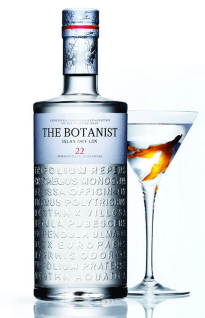
The Botanist Gin

Distillery: Bruichladdich
ABV: 46%
Style: Scottish Gin
More Info: TheBotanist.com

You’re seeing this increasingly – distilleries producing clear spirits in addition to aged spirits. Whisky’s a long waiting game, so being able to distill something that can hit the shelves immediately really helps cash flow in a small distillery.

Jim McEwan, the master distiller at Bruichladdich, entered into the task of gin production by sampling different grain alcohols. Typically, a gin is made by buying pure neutral grain alcohol and soaking botanicals in it. This is then re-distilled with a still that filters the vapours through a container holding more botanicals.

Jim went for a 100% wheat alcohol, due to the sweeter flavour. This gets loaded into the Laddie gin still, the fierce lady known affectionately as “Ugly Betty”. Betty is an old Lomond-style still, and so is squat and dumpy compared with the tall, slender necked whisky stills. She puts out an 80% ABV gin which is then watered down with spring water to a bottling strength of 46%.

Mary, one of the distillery’s “ninja grannies” decided one day to make a cheese cake. To make it more fun, she decided to add some Botanist gin to the recipe. Somehow, she “accidentally” used the concentrated pre-bottling strength gin… and you can guess what kind of an afternoon the staff had at the distillery when she shared it out!

Nose: Mint, juniper, aniseed, cumin, lemon, touch of coconut.

Palate: Very refreshing neat. Tangy salted lemons and bitter citrus peel.

Finish: Slightly drying cloves.

The Botanist contains nine base botanicals which include juniper, cassia bark, angelica, liquorice, and citrus peels.

The condenser box contains twenty-two foraged botanicals from Islay which are infused during distillation – these include three types of mint, bog myrtle, sweet Sicily, heather, and (to my delight) gorse.

Gorse is that yellow flower you see growing on knarled clifftop bushes by the coast. At the right time of year, they smell of coconuts – a bit like the smell of some sun cream, or maybe even a Piña Colada.

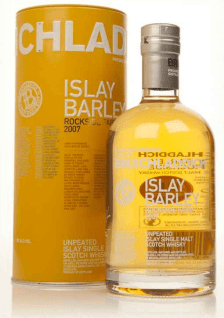
Bruichladdich Islay Barley 2007

Distillery: Bruichladdich
Bottled: 2014, Distilled: 2007
Age: 6 years old
ABV: 50%
Cask: American oak ex bourbon casks
More Info: WhiskyBase

In France, the concept of “terroir” explains the character of wine, cheese, whisky, brandy etc by considering the place in which it’s made. The soil, climate, variety of barley, locality to the coast, location of warehouses, origin of cask, colour of the stillman’s underwear (!) all feasibly impart an effect on the flavour and overall character of a whisky.

Many distilleries, due to demand, have to import barley from abroad. This would compromise the terroir of the spirit, so Bruichladdich only use Scottish barley in all their whiskies. For this expression, they’ve gone one further and made it exclusively with barley grown on Islay. Specifically, at Rockside farm just up the hill where Kilchoman distill their whisky.

Nose: Farms, stable-smell of hay and straw, salty again, wet flowers.

Palate: Creamy. Salty porridge with apple. No citrus this time, but a touch of menthol and spicy nutmeg.

Finish: Hazelnuts and a little more salt.The barley in this was grown in 2006, distilled in 2007 and matured purely in bourbon casks until it was bottled at 50% ABV. Apparently, the Islay farmers were paid for their barley (at least partially) in whisky!Lovely dram this is – it’s so farmyardy, but not in a bad way at all. On the nose is stables, hay, horses, leather, mud etc and the palate’s creamy and cereal-rich. Yummy.

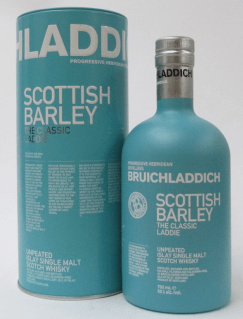
Bruichladdich Scottish Barley “The Classic Laddie”

Distillery: Bruichladdich
Bottled: 2013
Age: NAS
ABV: 50%
Cask: American oak ex bourbon casks, and European oak ex fino sherry
More Info: WhiskyBase

First and foremost in the Laddie core range, the vibrant aquamarine bottle of Bruichladdich Scottish Barley, “The Classic Laddie”.

The story goes that, when Mark Reynier (one of the band of independent investors who rebooted Bruichladdich) first visited the distillery this is what colour the sea water was in Loch Indaal.

This is a multi-vintage whisky (a.k.a. No Age Statement, or NAS) but I have it on good authority that it’s around 5/6 years old. When it comes to their whisky, Bruichladdich don’t keep many secrets.

Produced in a mixture of American oak ex bourbon casks, and European oak ex fino sherry casks, the whisky is unpeated and bottled at 50% ABV. As always, all the distillery’s bottlings are non chill filtered and free from colouring.

Nose: Salty, earthy and grassy with limes and bananas. Slightly rubbery with a strong mineral smell.

Palate: Salty custard with limes and cinnamon. After sitting in the glass a while, vanilla sponge cake.

Finish: Oily walnuts, sultanas.

Deceptively simple at first but reveals more character with each sip. Very approachable and smooth at 50%. A solid introduction to the core range of Bruichladdich whiskies.

Bruichladdich Cuvee 640 Eroica

Distillery: Bruichladdich
Bottled: 2012
Age: 21 years old
Bottles: 18,000
ABV: 46%
Cask: American Oak, finished in Limousin European Oak
More Info: WhiskyBase

Nose: Salty Atlantic air, dried apricots, clementines, kiwis, apples, mint, and waxed leather. Bit of dark chocolate brownie in there too.

Palate: Golden honeyed malt with drying notes of Moroccan herbal mint tea, sweet raspberry, blood orange, Turkish delight, and citrus pith.

Finish: Dry and oaky, with Brazil nuts in dark chocolate.

Oh yes, indeed. That lovely Bruichladdich maltiness with a salty edge and silky mouthfeel, with refined French fruit and wood aromas wrapped around it.

I enjoyed the 407 PX but most of the character came from that first-fill sherry finish. This is still a malty, salty unpeated Atlantic whisky but the Cognac barrel has imparted subtle and soft notes of fruit, herbs, chocolate and nuts.

Vive le France ❤

There are three Cuvée bottlings in this particular series: 640 Eroica, 407 La Noche Bocca Arriba (PX), and 382 La Berenice (Sauternes/Barsac wine). All the same stock from American oak, and finished up to 21 years old. All are still available on the market (try Whisky Exchange) for around £90-£100.

Arbdeg 1994 (Cadenhead’s)

Distillery: Ardbeg
Bottled: 2007, Distilled: 1994
Age: 13 years old
Bottler: Cadenhead’s
Bottles: 318
ABV: 58.4%
Cask: Bourbon Hogshead
More Info: WhiskyBase

Here’s a little treat from Cadenhead’s… A peaty teenager from Islay. The 1994 vintage Ardbeg, aged for 13 years in a Bourbon barrel and bottled at cask strength.

Noteworthy because it was distilled while the distillery was owned by Hiram Walker. Glenmorangie bought Ardbeg in 1997, and their standard releases (except for Ardbeg 10) are typically now released without an age statement. Old Ardbeg tends to sell for a premium, so it’s nice to a) try spirit older than 10 years, and b) have a go with a bottling from the old regime.

Nose: Coal, rock dust, rubber, dense oily smoke, sticking plasters, dried salt, pine resin.

Palate: Oily malt biscuit, brine, swiftly evolves into dry smoke, tea, liquorice, grapefruit, cloves, and pepper. Little floral/herbal notes of violet and lavender.

Finish: Citrus, Brazil nuts, and dry smoke.

I do like the modern Ardbeg expressions, but this is different – very mineral-rich, and more savoury and drying than the 10 year old, with subtle nuances (I think cask strength probably helps here…). I also reckon the lack of wine-cask means more flavour’s drawn from the barley and the oak.

I’m not sure if the Bourbon cask was a first-fill or not but I don’t get the typical whiff of vanilla, or the sweet spice. So I’m tempted to suggest the flavour comes from good spirit, good distillation, and good oak.

“As it should,” the purists might say…

Just for contrast, here’s my notes for Ardbeg 10…

Nose: Barley grass, definitely vanilla, coal tar smoke in evidence, tarred-rope and maritime/fish notes.

Palate: Sweet vanilla, tangy smoke, citrus fruits, cloves. Not as drying as the older Ardbeg.

Finish: Peppery, with a charred oak flavour and salted cashews.

It’s good, of course – Ardbeg 10 is one of those Islay staple drams that’s consistently good quality. I think there’s a first-fill Bourbon influence  – I get less barley flavour and more vanilla sugar. Also, the smoke is still coal-tar in nature but it’s less pronounced, and not as drying and the mineral notes are more in evidence as maritime/coastal scents.

So, is older Ardbeg better than modern Ardbeg? I think “better” is the wrong word…

It’s probably more in keeping with an older style of whisky production, which definitely gives it a big appeal. Modern whisky is often accused of being too heavily groomed and doctored to fit certain profiles that keep the market researchers happy.

Either way, it’s a pleasure to drink both of them. And I’ll be keeping an eye out for more old Ardbeg, provided it isn’t attached to a daft price tag.

I got my Ardbeg 1994 sample on WhiskySample.nl, but they’re all gone now. Keep an eye out on auction sites for older Ardbeg – you might get lucky with a sane price.

Bruichladdich Cuvee 407 PX

Distillery: Bruichladdich
Bottled: 2012
Age: 21 years old
Bottles: 18,000
ABV: 46%
Cask: American Oak with a finish in Pedro Ximénez sherry
More Info: WhiskyBase

Nose: Wood lacquer, chocolate, red wine, red liquorice, strawberry laces, sandalwood and cigar box.

Palate: Muscavado, rich malt sugar, salty toffee, cola syrup, caramelised apple, dark cherry, dates, and cinnamon spice.

Finish: Long and tingly with more cigar box.

Interesting. In many ways, it has a lot in common with a well-aged dark rum with sugar, spice and wood dominating the palate.

I think the PX finish definitely does the whisky a favour, because I get the impression this particular batch of spirit wasn’t cut particularly well. Even aged 21 it feels quite hot. Not unpleasantly so, but not as smooth and refined as I’d expect of a modern Bruichladdich that’d been in cask more than two decades.

Distilled in the neglected days of Whyte and Mackay ownership, it’s a respectable recovery by Jim and the current Laddie team that still yields some great dusty wood and aromatic sherry fruit flavour.

There are three Cuvée bottlings in this particular series: 640 Eroica (a brandy finish), 407 La Noche Bocca Arriba (PX), and 382 La Berenice (Sauternes/Barsac wine). All the same stock from American oak, and finished up to 21 years old. All are still available on the market (try Whisky Exchange) for around £90-£100.